

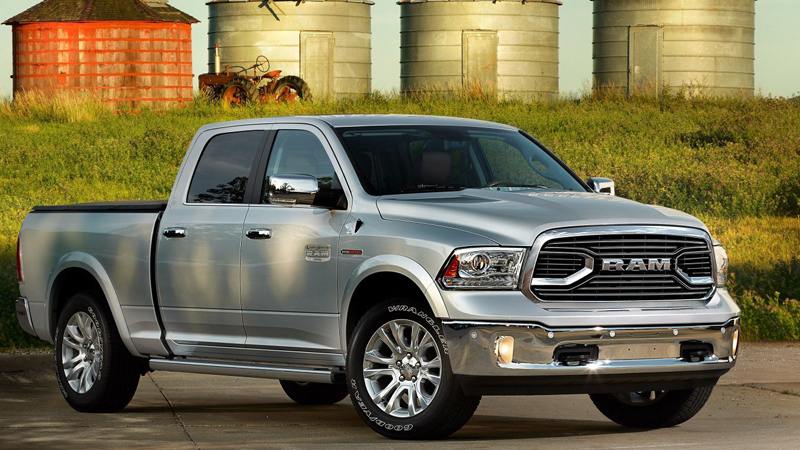
Buying a used truck is not just about finding the biggest body, the highest stance, or the longest list of features. The right truck should fit the way you actually drive, haul, park, commute, and spend. For shoppers around Raleigh NC and the greater Triangle area, that may mean balancing bed size, cab layout, towing needs, payload practicality, tire condition, maintenance history, and financing before making a final choice. At iDeal Auto NC, we help drivers compare used trucks with a clear sense of purpose, so capability feels useful instead of excessive.
Start with real Raleigh driving
Before comparing used trucks, think carefully about what the truck needs to do in a normal week. Not the heaviest load you might carry once a year. Not the most ambitious towing plan you can imagine. The ordinary week matters most.
A truck for home projects around Raleigh may need an easy-loading bed, sturdy tie-down points, and enough payload capacity for mulch, tools, furniture, or weekend supplies. A truck for work may need more grit: a durable bed surface, practical cabin storage, and enough capability for regular hauling. A truck for commuting should still feel comfortable, manageable, and sensible in traffic. If most of your driving takes place on Capital Boulevard, I-440, I-540, or neighborhood streets near the Triangle area, size and maneuverability should stay part of the conversation.
This is where many shoppers overbuy. More truck can be useful when the need is real. It can also bring a higher purchase price, greater fuel use, larger tires, more expensive maintenance, and a bulkier daily drive. A used truck should solve your transportation needs without turning every errand into a chore.
Choose a North Carolina bed size
Truck beds are deceptively important. A bed that is too short may limit what you can carry. A bed that is longer than necessary may make parking, turning, and garage storage more cumbersome than expected.
Think about what you plan to load most often. Yard supplies, furniture, coolers, bikes, jobsite materials, camping gear, tools, and home improvement materials all require different kinds of space. A shorter bed may work well for drivers who mostly need weekend flexibility. A longer bed may be better for shoppers who regularly haul equipment, building materials, or bulky cargo. Bed liners, covers, rails, tie-downs, and tailgate condition can also affect day-to-day usefulness.
Look closely at the bed itself. Scratches are normal on many used trucks, but deep dents, rust, poor repairs, bent panels, or heavy gouging may suggest a harder past life. A work-used truck is not automatically a bad choice. Some are well maintained and entirely practical. The key is knowing what kind of use the truck appears to have seen and whether its condition matches the price, mileage, and your expectations.
Find the right Raleigh cab
Cab layout can change the entire ownership experience. A truck may look ideal from the outside, then feel too tight once passengers, car seats, tools, bags, or pets enter the picture.
If you usually drive alone or with one passenger, a smaller cab may provide the utility you need without adding unnecessary size. If the truck will also serve as a family vehicle, rear-seat space becomes more important. Look at legroom, door openings, seat comfort, visibility, interior storage, and how easy it is to climb in and out. A truck that handles hauling well but feels awkward for daily passengers may not be the right all-around fit.
Interior condition also deserves attention. Worn seat bolsters, stained flooring, cracked trim, loose controls, or heavy cabin wear may signal rough use. On the other hand, a clean, well-kept cabin can suggest that the previous owner treated the vehicle with care. Used trucks often live harder lives than sedans or commuter vehicles, so the interior can tell a quiet but useful story.
Match towing to Triangle needs
Towing capacity is one of the most misunderstood parts of used truck shopping. A higher number can sound reassuring, but the better question is whether the truck matches what you actually plan to tow.
A small trailer, utility trailer, fishing boat, camper, or equipment load can create very different demands. Towing is not just about pulling weight. It also involves braking, cooling, transmission health, suspension strength, hitch setup, payload, tongue weight, tires, and how stable the truck feels on North Carolina highways. If you tow often, you will want to look more closely at the truck’s equipment, maintenance history, and overall mechanical condition.
Payload matters, too. Many shoppers focus on towing and forget that passengers, cargo, tools, and trailer tongue weight all add up. A truck can have impressive towing capability and still be poorly matched for the way you intend to load it. Practical capacity is about the full picture, not one spec.
If you do not tow regularly, avoid paying for capability you will rarely use. A truck with moderate capability, better comfort, lower ownership costs, and the right cab and bed layout may serve you better than something oversized. The right used truck should feel confident, not theatrical.
Check tires and maintenance in NC
Tires are one of the first places to look when evaluating a used truck. They affect ride quality, braking, towing stability, wet-weather traction, and future ownership costs. Uneven tire wear may point to alignment issues, suspension wear, hard use, or neglected maintenance. Mismatched tires may also be worth a closer look, especially if the truck will be used for towing or regular hauling.
Walk around the truck slowly. Look at tread depth, sidewall condition, tire age, and whether all four tires appear evenly worn. Then look beneath the surface. Brakes, suspension components, steering feel, fluid leaks, exhaust condition, and underbody wear all matter. North Carolina drivers also need to keep inspections in mind, so lights, tires, brakes, steering, mirrors, wipers, and emissions-related components should not be ignored.
Maintenance history can be especially valuable with a used truck. Oil changes, transmission service, brake work, tire rotations, cooling system care, and previous repairs can help you understand how the truck has been treated. A truck with higher mileage and consistent maintenance may be more appealing than one with lower mileage and murky history. Records, condition, and road feel should all work together.
A test drive is essential. Listen for clunks, vibrations, hard shifts, brake pulsation, steering pull, or unusual engine behavior. Try parking it. Merge with it. Drive it at neighborhood and highway speeds when possible. A truck may look capable in photos, but the test drive reveals whether it fits your hands, your habits, and your patience.
Use budget and trade value wisely
A used truck purchase should fit your finances as well as your driveway. Beyond the asking price, consider auto financing, insurance, taxes, fuel, tires, maintenance, and the cost of any accessories you may want later. Larger trucks may require larger tires, more fluids, and sometimes higher service costs, so the monthly payment is only one part of the budget.
If you have a vehicle to trade, getting a trade appraisal early can help clarify your next step. Trading in your car may reduce the amount you need to finance and may open up more flexibility when comparing used trucks. A payment calculator can also help you estimate how different prices, down payments, and loan terms may affect your monthly budget before you commit to one option.
The finance team at iDeal Auto NC can help Raleigh-area shoppers explore auto loan options and understand what may fit their situation. That is especially helpful when comparing trucks across different mileage levels, cab sizes, bed lengths, and price ranges. Sometimes the right choice is not the truck with the most capability. It is the truck with the right mix of usefulness, comfort, condition, and long-term affordability.
When you are ready to compare options, browse iDeal Auto NC’s used vehicle inventory and look for used trucks that match your real driving needs. Whether you need a practical truck for projects, a comfortable daily driver, or a more capable vehicle for towing and hauling, the smartest purchase is the one that feels right after the excitement settles and everyday ownership begins.


